Ingredients
- 1 tbsp sunflower oil
- 8pork sausages(the best quality you can find)
- small knob of butter
- 3 small onions, finely sliced
- 1 thyme sprig
- 1bay leaf pinch of sugar
- 1 heaped tsp plain flour
- 1 tbs pred wine vinegar
- 1 glass red wine1 tsp soy sauce
- 400ml beef stock made with 1 stock shot or cube
For the mash
- 1 kg potatoes, peeled and cut into large chunks
- 100ml full cream milk or 50ml milk
- 50ml cream
- 50g cold butter, diced grating of nutmeg
Method
STEP 1 -Heat the oven to 200C/180C fan/gas 6. Heat the oil in an ovenproof frying pan and gently sizzle the sausages over a medium-high heat for 8-10 mins, turning them, until browned on all sides. Transfer to a plate, then put the butter in the pan and heat until sizzling. Scatter in the onions, stirring them into the butter, then add the thyme sprig, bay and sugar. Give everything a final stir, then put the sausages on top and drizzle over any juices from the plate. Roast everything for 20 mins, turning the sausages halfway through.
STEP 2 -Meanwhile, make the mash. Tip the potatoes into a pan of cold salted water and bring to the boil, then turn down and simmer for 10-12 mins or until just cooked all the way through (the tip of a knife should slide in easily). Drain in a colander and leave for a minute. Tip the milk into the pan and bring to a simmer, then pass the potatoes through a ricer into the hot milk and mash thoroughly. Once mashed, beat with a wooden spoon or spatula over very low heat, then beat in the butter a few bits at a time. You should have extra-fluffy, smooth mash. Keep it warm.
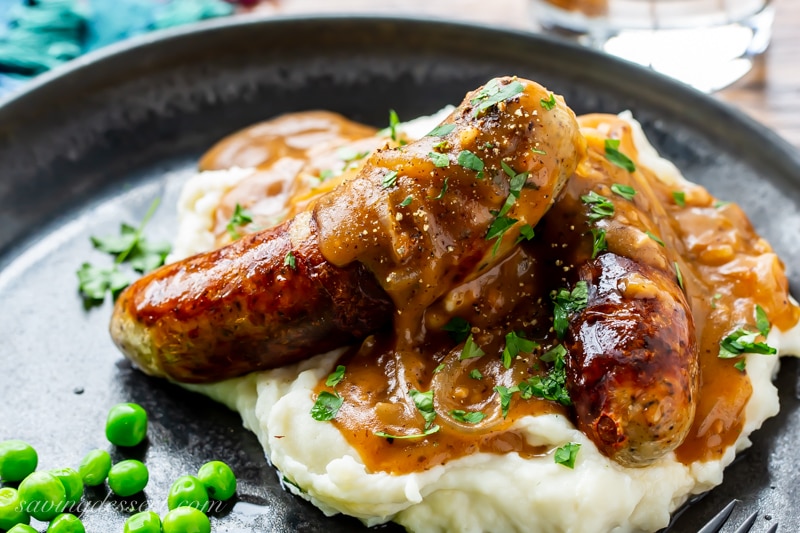
STEP 3 -When the sausages are cooked, remove from the oven, turn the oven off and lift the sausages onto a tray. Return them to the oven to keep warm. Put the pan back on the heat and give the roasted onions a stir, they should be sticky and slightly burnt around the edges. Sizzle for a minute or two more to caramelise, then stir in the flour and cook for another minute. Splash in the vinegar, simmer for a minute, then pour over the red wine and soy, and bubble down to a gloopy paste. Pour over the stock and boil for 3-4 mins, or until you have a rich gravy. If you prefer, scoop out the thyme and bay, or just leave it in. Tip into a bowl or gravy jug with a serving spoon for the onions. Bring everything to the table and scoop a big mound of mash onto the middle of each plate, then top with the sausages and gravy.
Source: https://www.bbcgoodfood.com/recipes/bangers-n-mash-with-onion-gravy
Ingredients
- 1 tbsp sunflower oil
- 8 pork sausages
- 25g butter
- 2onions,finely sliced
- pinch of golden caster sugar
- 2 tbsp plain flour
- 1 tbsp tomato purée
- 1 tbsp red wine vinegar
- 500ml beef stock
- peas, to serve (optional)
For the mash
- 1.25kg potatoes ,cut into large chunks
- 150ml full cream milk
- 25g butter
- 25g mature cheddar, coarsely grated (optional)
Method
Step 1 -Heat the oil in a frying pan and gently cook the sausages over a medium-high heat for 10-12 mins, turning them until browned on all sides. Transfer to a plate, then put the butter in the pan and heat until sizzling. Tip in the onions, stirring them into the butter, then sprinkle over the sugar and fry for 8-10 mins until the onions are golden. Scatter over the flour and stir to make a paste, then add the tomato purée. Cook for a minute, then add the vinegar, pour in the stock and bring to the boil. Turn down to a simmer. Tip in any juices from the sausages, then cut the sausages into thick slices and add to the pan. Simmer everything together for 5 mins until you have a glossy onion gravy. Tip the mixture into a baking dish.
Step 2 -To make the mash, tip the potatoes into a pan of cold salted water and bring to the boil, then turn down and simmer for 10-12 mins or until just cooked (the tip of a knife should slide in easily). Drain and leave for a minute. Pour the milk into the pan and bring to a simmer, then tip in the drained potatoes and butter, and mash thoroughly. Season to taste.
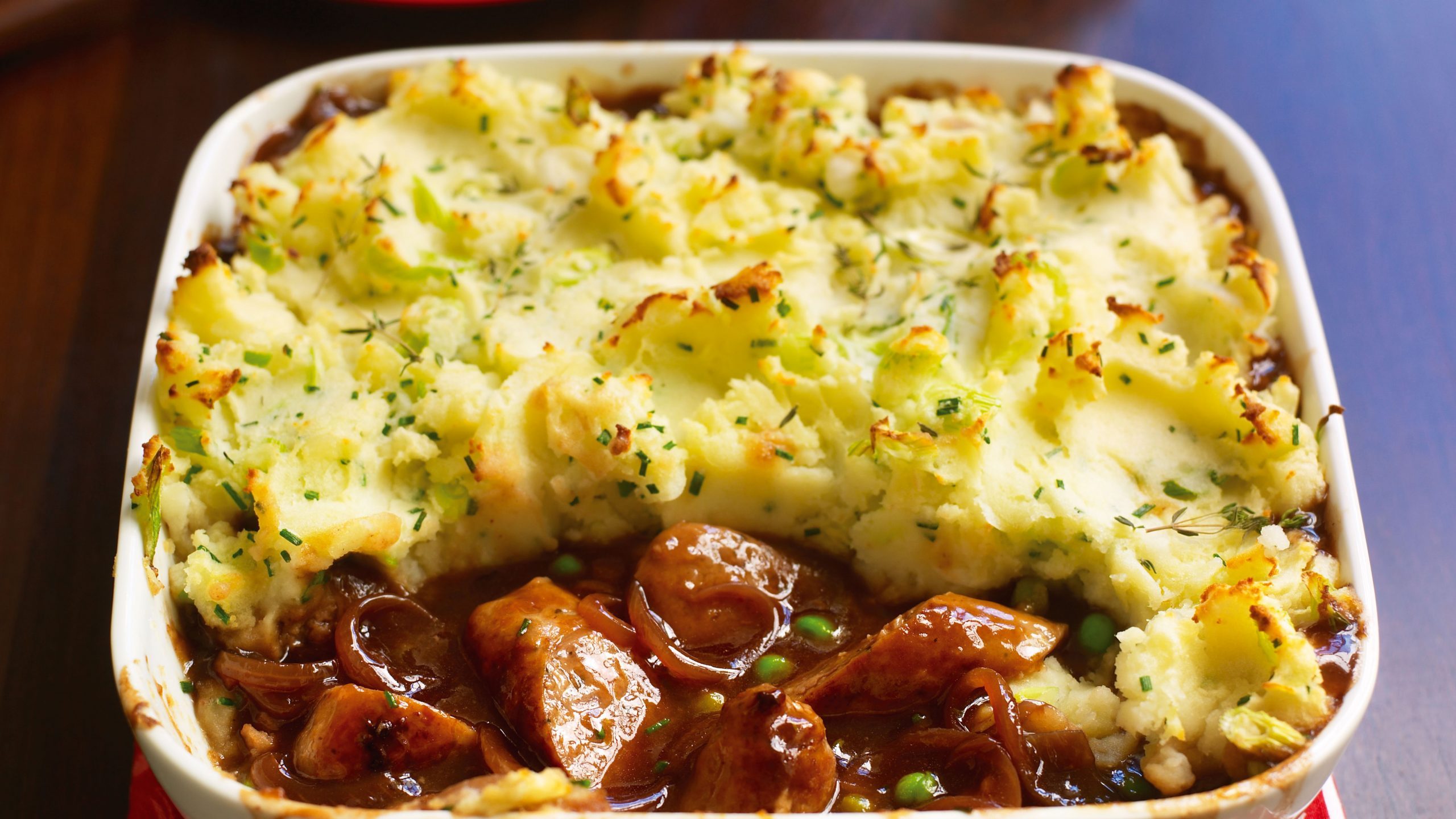
Step 3 -Top the sausages and gravy with the mash, starting from the edge of the dish and working your way into the middle. Use a fork to scrape lines in the topping and scatter over the cheese, if using. Can be assembled, covered and chilled for up to two days or frozen for three months. Defrost completely before cooking. Heat the oven to 200C/180C fan/gas 6. Bake the pie on a tray for 35-40 mins until the top has browned. Leave to cool for 5 mins before scooping straight from the baking dish at the table and serving with peas, if you like.
Source: https://www.bbcgoodfood.com/recipes/sausage-mash-pie

Ingredients
- 250g elbow macaroni pasta
- 450g lean ground beef
- 6 strips bacon cooked and cut into pieces
- 1 1/2 cup beef broth1/2 teaspoon Worcestershire sauce
- 3 tablespoons ketchup
- 2 tablespoons cornstarch may use less
- 100g shredded cheddar
- 200g ounces shredded mozzarella cheese
Method
Step 1 – Cook the bacon first, preferable cook it on a sheet pan in the oven until it’s crispy but you can cook it whatever way you prefer. Drain it on paper towels and cut it or break it into small pieces and set aside.
Step 2 – Cook your macaroni according to directions on the pack, then drain.
Step 3 – While the macaroni is cooking brown the beef in a large skillet until fully cooked. If after cooking the beef has a lot of fat/liquid/juice left you can pour some of that off.
Step 4 – Measure the beef broth, Worcestershire sauce, ketchup, and corn starch into a small bowl or measuring jug and mix well to combine the cornstarch.
Step 5 – Add cooked pasta to the skillet along with the beef broth mixture, stir well to combine beef, pasta, bacon, and sauce.
Step 6 – Cook on a medium heat until the sauce bubbles and thickens. If it’s too thick for you, thin it out with a little more beef broth.
Step 7 – Sprinkle shredded cheeses over the top of the skillet cheeseburger mixture.
Step 8 – Cover and cook on very low heat until cheese has melted, about 2-3 minutes.
Serve Immediately.
Source: https://amandascookin.com/bacon-cheeseburger-pasta/

Method
- The day before serving double wrap the ribs in tin foil (shiny side in) and throw them on the braai (indirect heat) with the lid on for 1 hour. If you can’t light a braai the day before, throw the ribs (and foil) in the oven on 175°C for 1 hour. Remove from the braai or oven and allow to cool.
- While doing this prepare your marinade by throwing all the ingredients into a bowl, and give it a good stir.
- Once the ribs have cooled down slightly, lay down some cling wrap in a pan, and place the ribs on top of this (with the meatier side facing up). Pour the marinade over the ribs then wrap completely a few times.
- Place the ribs in the fridge overnight and remove about 2 hours before braai time.
Braai Time
- Prepare your braai with one side of charcoal as you will have a braai on direct and indirect heat.
- Make sure the coals have turned white and you have a medium heat (this is the temperature at which you can just hold your hand over the grill for 5-7 seconds).
- Remove the ribs from cling film and throw them on direct heat. Braai each side for 5 minutes.
- After this place the ribs on the opposite side of the coals and place the lid on the kettle to braai on indirect heat for 10 minutes each side. Remember to baste your ribs with the leftover marinade every so often.
- So all in all, you braai for 30 minutes: 10 minutes – direct heat and 20 minutes – Indirect heat (with kettle lid on)
- Remove from the braai and tuck in!
Ingredients
- 500 g pork ribs
- 1/4 cup of brown sugar
- 1 tablespoon of tomato sauce
- 1 tablespoon Worcestershire sauce
- 1 tablespoon honey
- 2 tablespoons peri-peri sauce (Mat recommends Nando’s peri-peri sauce but you can substitute with chilli sauce)
- 1 clove of garlic (crushed)
- 1 red pepper (cut finely)
- black pepper
Source: https://www.thesouthafrican.com/food/recipes/recipe-spicy-pork-ribs-on-the-braai/

Method
1. Preheat the oven to full whack.
2. Score the pork leg with a sharp knife in a zig-zag pattern.
3. Bash the coriander seeds, peppercorns and 2 teaspoons of sea salt until fine in a pestle and mortar. Add the bay leaves and bash again, then muddle in a lug of oil to form a loose paste.
4. Rub the paste all over the pork, making sure you get it into all the nooks and crannies.
5. Peel and halve the onions, scatter into a large roasting tray and place the scored pork on top.
6. Roast for 35 to 40 minutes, or until you have a lovely crisp crackling, then turn the oven down to 170°C/325ºF/gas 3. Slow-cook the leg for 3.5 hours, or until the meat is easily pulled apart.
7. When the time’s up, pick and dress the sage and rosemary leaves with oil and scatter them over the pork. Pop it back into the oven and cook until the herbs are crispy.
8. Remove the leg to board, cover with tin foil and allow to rest while you make the gravy.
9. Place the roasting tray on the hob over a medium heat, add the flour and stir it into the juices so you get a sticky paste. Slowly add a little water until you have a lovely rich sauce.
10. Pour the contents of the tray into a jug or bowl and blitz to a sauce with a stick blender. Return to the pan, pick, finely chop and add the parsley, along with the mustard and stir well. Season to perfection
11. Serve the roast pork with the sauce
Ingredients
1 x 3kg higher-welfare leg of pork
2 tablespoons coriander seeds
1 tablespoon white peppercorns
6 fresh bay leaves
extra virgin olive oil
6 onions
½ a bunch of fresh sage
½ a bunch of fresh rosemary
30 g plain flour
1 big bunch of fresh flat-leaf parsley
1-2 tablespoons mustard
Source: http//www.jamieoliver.com/recipes/pork-recipes/roast-pork-leg/
 Ingredients:
- 1 BMS Pork Leg 2kg
- 125 ml Lemon Juice
- 1 Tbs Thyme
- 4 House of Garlic Grated
- 2 Tbs Raw Honey
- 4 Tbs – Olive Oil
- 3 Tbs – Coarse Salt
Preparation:
- To begin, remove the thing layer of skin at the top layer of fat on your pork leg.
- Place the BMS Pork Leg into an oven tray.
- In a blender, use lemon juice, garlic, thyme and honey to create a fine paste.
- Combine the marinade past with the BMS pork leg and spread evenly over the meat.
- Sprinkle coarse salt over the fat.
- Remember to cover the pork leg cut with foil.
- Place the tray into the oven at 180 °
- Allow to cook for 45mins.
- Thereafter, remove tray from the oven and turn over the pork leg.
- Allow it to cook for a further 45 mins.
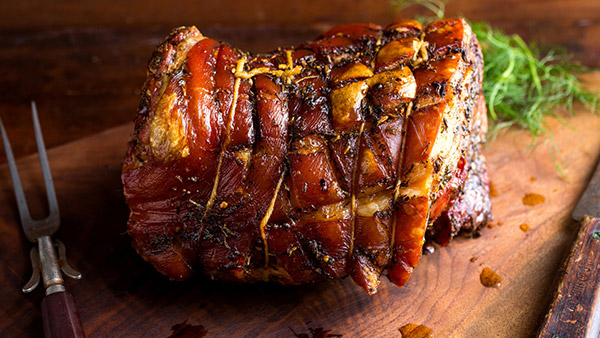
- Now, you should turn on the grill setting on your oven and all the fat to crackle until you hear a “popping” sound.
- At this point, it time to remove the roasted pork leg from the oven and allow it to cool for a few minutes.
Serving Suggestions:
You may serve with rice and BMS country crop veggies.
Chef’s Note:
If you desire more flavour to your roast, consider adding BMS sweet chilli sauce to your marinate paste.
 Ingredients
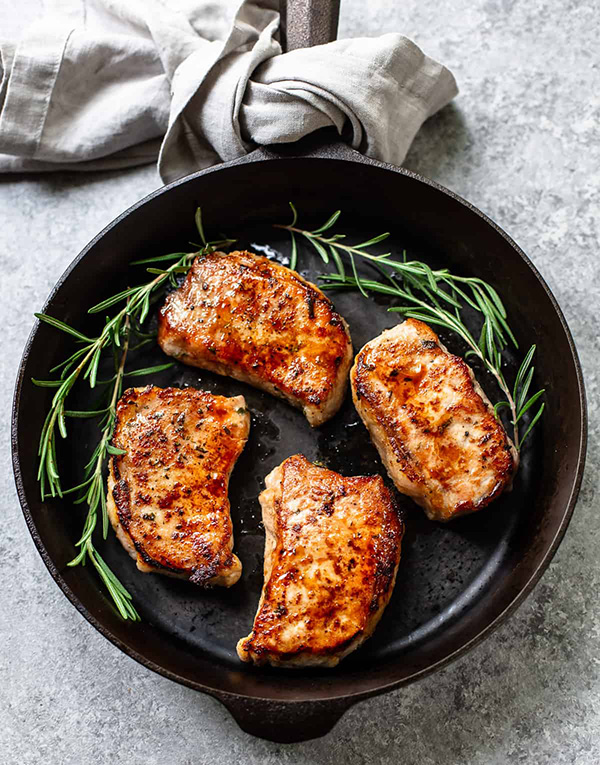
- 4 BMS Pork Braai Chops
- 2 Houses of garlic, peeled
- 2 Branches of fresh Rosemary
- 4 Tabelspoons Olive Oil
- 1/2 Teaspoon of salt
- 2 Tablespoons of Butter
Preparation
- Place a pan on stove at high heat.
- Place the BMS Pork Braai Chops , butter and Olive oil in the pan and flash-fry to seal the meat.
- Turn heat down to medium.
- Add all other ingredients in the pan and fry until the meat is well done.
Serve with Mash and Peas.

Chef’s Note: My love for feijoada is hard to put into words. This is the ultimate comfort food and in winter, its hands down my favourite thing to eat. There are quite a few ingredients in here that you probably won’t find at your normal grocer, but a trip to the butcher is really worthwhile.
INGREDIENTS
 250g red kidney beans (dried)
- 250g white beans (dried)
- 1 large onion, chopped
- 6 cloves garlic, minced
- Olive oil, for frying
- 2 bay leaves
- 1 tbsp cumin
- 1 tbsp chilli flakes
- 200g chourico, chopped
- 350g smoked pork loin
- 500g stewing beef
- ½ cup chopped tomatoes
- Salt and black pepper to taste
- 2 large carrots, diced
- 1 litre warm chicken stock
METHOD
- Soak the beans overnight in hot water from the tap, replacing the water two or three times.
- Place the onion and garlic into a large pot and fry in olive oil until translucent but without burning the garlic. Add the bay leaves, cumin and chilli flakes and fry until all are well mixed.
- Add the chourico, pork loin and stewing beef and brown – add ¼ cup of water at a time if you find the meat sticking to the bottom of the pot.
- Once the meat is nicely browned, add the tomatoes and allow to simmer on low heat until the sauce starts to thicken.
- Add salt and pepper to taste.
- Add the diced carrots and the chicken stock. Then, after 10 minutes of simmering with the lid on, add the beans and stir well.
- Cook for a further 20-30 minutes with the lid on, stirring occasionally to sure the feijoada doesn’t stick to the bottom of the pot.
- When ready, discard the bay leaves and serve with rice.
By J’SOMETHING

CHEF’S NOTE: I remember walking down from my dad’s apartment to the café on the ground floor of the building (every building in Portugal café, by the way) to order a bifana and a sumol, and my dad would have a beer. Bifanas were his absolute favourite thing to eat. It’s the sister to the famous prego roll – the big difference here is that bifanas are pork, while pregos should be beef.
INDGREDIENTS:
 2 cloves garlic, crushed
- ¼ tsp salt
- ¼ tsp ground black pepper
- 2 cloves
- 2 tsps smoked paprika
- 2 tbsps piri – piri sauce (+ extra for serving)
- 2 tbsps red pepper sauce (pimento sauce)
- ¼ cup white vinegar
- 1 cup white wine
- 1 bay leaf
- 500g pork tenderloin or fillet, cut into thin slices
- Olive oil, for frying
- 2 onions, sliced
- 1 tsp brown sugar
- 4 Portuguese rolls
- Butter, for rolls
METHOD:
- Mix together the garlic, salt, pepper, cloves, paprika, piri-piri sauce, red pepper sauce, vinegar, wine and the bay leaf in a shallow bowl. Add the pork, making sure that the meat is coated on both sides.
- Cover and refrigerate to marinate overnight.
- Heat the olive oil in a frying pan over medium heat. Remove the pork from the marinade, drain and fry in batches for about 1 minute on each side until lightly browned, then set aside.
- When all the pork has been cooked, pour the leftover marinade into the pan and bring to a boil.
- Turn the heat down and simmer the marinade for 5 minutes until slightly thickened.
- Place the pork back in the pan, making sure that it is well coated in marinade. Remove from the heat and set aside.
- In a separate frying pan, fry the onions until softened. Add the brown sugar and stir fry the onion until caramelised.
Serve the pork with the onions in buttered Portuguese rolls with extra piri-piri sauce.
By J’ Something

This yummy recipe is the closest thing to a homemade snack made by mom. It will serve 10-12.
Prep Time 10 minutes plus refrigeration
Cook Time 4-5 hours
These sliders are seriously tasty! Made with juicy pulled pork, beautiful roasted red peppers, delicious onion and apple juices and topped with Mayonnaise. Seriously irresistible!
INGREDIENTS
1.2-1.5kg piece of boneless pork shoulder with skin or 1.75-2kg bone in pork shoulder
2 large red onions, thickly sliced
1 ½ cup unsweetened apple juice
1 cup water
Mayonnaise
Slider buns or Hamburger buns
Mesclun or salad leaves
Roasted red peppers, sliced in strips
METHOD
Remove the packaging from the pork if necessary. With a sharp knife score the pork thinly, alternatively get the butcher to do this for you. Rub the skin with salt. Place on a tray and cover with baking paper. Refrigerate for 4 hours or overnight to allow the skin to dry out. (to ensure good crackling the skin must be well dried out).
Preheat the oven to 140°C (fan assisted) or 150°C (conventional). Put the prepared onions into a roasting dish (make sure the roasting dish is appropriate for the size of the piece of pork). Sit the pork on top of the onions. Pour the apple juice and water around the base of the pork, avoiding getting the skin wet.
Roast for 4-4 ½ hours, until the meat starts to pull away. During cooking make sure the liquid does not evaporate adding extra water if necessary. Take the meat out of the roasting dish and pour the onions and remaining apple jus into a saucepan. Increase the oven temperature to 200°C. Return the pork to the roasting dish and put it back into the oven for a further 15-20 minutes to allow the crackling to crisp.
Reduce the reserved onion and apple jus over high heat until thick and syrupy.
Squeeze Mayonnaise onto the base of slider buns or burger buns. Top with mesclun or salad leaves, pulled pork, cooked onions, roasted red peppers. Squeeze mayonnaise onto the bun lids before placing on the top. Serve pieces of pork crackling on the side.

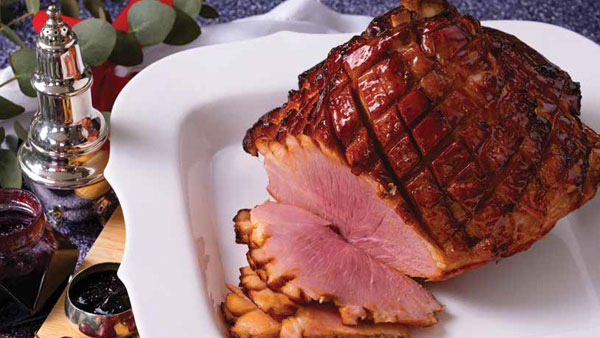
1.8 kg (4 lb) gammon joint
1 onion
20 cloves
2 bay leaves
10 peppercorns
for the glaze
40 g (1 3/4 oz) soft brown sugar
grated rind and juice of 1 large orange
2 tbsp runny honey
2 tbsp wholegrain mustard
Directions
Soak the gammon joint in a bowl of cold water for at least 3 hours.
Drain and then place the gammon in a large saucepan.
Stud the onion with the 4 cloves and add to the pan with the bay leaves and peppercorns.
Cover with water, bring to the boil, cover and simmer for 1 hour.
Preheat the oven to 200°C/400°F/gas mark 6
Drain the gammon, remove the skin and most of the fat.
Score the remaining fat into diamonds, stud with the remaining cloves and place in a roasting tin.
Mix together the ingredients for the glaze, and spoon over the gammon.
Bake for 45 minutes, basting 3 – 4 times during the cooking time.
Serve hot or cold.

2kg pork shoulder off the bone, in one piece, skin off, fat left on
sea salt and freshly ground black pepper
olive oil
2 red onions, peeled and finely sliced
2 fresh red chillies, deseeded and finely chopped
2 generously heaped tablespoons mild smoked paprika, plus a little extra for serving
2 teaspoons ground caraway seeds
2 tablespoons dried oregano, leaves picked
5 peppers (use a mixture of colours)
1 x 280g jar of grilled peppers, drained, peeled and chopped
1 x 400g tin of good-quality plum tomatoes
4 tablespoons red wine vinegar
400g basmati or long-grain rice, washed
1 small tub of sour cream
zest of 1 lemon
a small bunch of fresh flat-leaf parsley, chopped
Directions
Preheat the oven to 180°C. Get yourself a deep, ovenproof stew pot with a lid that will fit your meat and other ingredients in snugly, and heat it on the hob. Score the fat on the pork in a criss-cross pattern all the way through to the meat, then season generously with salt and pepper. Pour a bit of olive oil into the pot and then add the pork, fat side down. Cook for about 15 minutes on a medium heat, to render out the fat, then remove the pork from the pot and put it to one side.
Add the onions, chilli, paprika, caraway seeds, marjoram or oregano and a good pinch of salt and pepper to the pot. Turn the heat down and gently cook the onions for 10 minutes, then add the sliced peppers, the grilled peppers and the tomatoes. Put the pork back into the pot, give everything a little shake, then pour in enough water to just cover the meat. Add the vinegar. Bring to the boil, put the lid on top, then place in the preheated oven for 3 hours.
You’ll know when the meat is cooked as it will be tender and sticky, and it will break up easily when pulled apart with two forks. If it’s not quite there yet, put the pot back into the oven and just be patient for a little longer!
Stir the sour cream, lemon zest and most of the parsley together in a little bowl. When the meat is done, take the pot out of the oven and taste the goulash. You’re after a balance of sweetness from the peppers and spiciness from the caraway seeds

6 good-quality pork sausages
a small bunch of fresh rosemary, leaves removed apart from the end
a small bunch of fresh thyme, leaves picked
a good glug of olive oil
half a cucumber
150g of natural low fat yoghurt
sea salt and freshly ground black pepper
juice of 1 lemon
Directions
Preheat a barbecue or griddle pan.
Remove the skins from the pork sausages by slitting lengthways and peeling off. Mould each sausage around a stick of rosemary, almost squashing the meat on – try to leave finger marks.
Put a handful of the fresh thyme leaves in a pestle and mortar and pound a little, adding the olive oil. Roll the sausages in the thyme and oil, then put them on the braai or griddle pan for 10 minutes, turning occasionally until golden and cooked.
Grate the cucumber into a bowl, stir in the yoghurt and season with salt and pepper, and lemon juice. Drizzle this over your cooked kebabs and enjoy!

6 – 8 pork rashers, outer skin removed
1 onion, finely grated
15 ml olive oil
1 can tomatoes, pureed in a blender
25 ml Worcestershire sauce
30 ml brown sugar
5 ml French mustard
50 ml red or white wine vinegar
5 ml barbeque spice
Directions
salt and pepper to taste
Trim any unwanted fat from the rashers and remove the outer skin if it is still on. (It’s a very good idea to ask your butcher to do this
Saute the onion in the olive oil until soft and add the remaining ingredients.
Simmer the sauce for 5 minutes and puree in a blender until smooth. Add water if the sauce is too thick. Heat sauce and simmer pork rashers over low heat fo 10 – 15 minutes in the sauce. Remove rashers and pat dry.
Grill the rashers under a hot oven grill or over hot coals and turn at regular intervals to get an even golden brown colour on both sides. Use tongs to turn the rashers over, not a fork. Baste with the sauce while grilling.
Season with salt and pepper just before removing them from the heat.

1.5kg pork belly
sea salt and freshly ground black pepper
2 red onions, halved
2 carrots, peeled and halved lengthways
2 sticks of celery, chopped in half
1 bulb of garlic, skin on, broken into cloves
a small bunch of fresh thyme, leaves picked
600ml water or stock
Directions
Preheat your oven to full whack, it needs to be at least 220°C/425°F/gas 7.
Place your pork on a clean work surface, skin-side upwards. Get yourself a small sharp knife
and make scores about a centimetre apart through the skin into the fat, but not so deep that
you cut into the meat. Rub salt right into all the scores you’ve just made, pulling the skin apart a little if you have to. Brush any excess salt off the surface of the skin and turn it over. Season the underside of the meat with a little more salt and a little black pepper. Place your pork, skin side-up, in a roasting tray big enough to hold the pork and the vegetables, and place in the hot oven.
Roast for about half an hour until the skin of the pork has started to puff up and you can see
it turning into crackling. Turn the heat down to 180°C/350°F/gas 4 and roast for another hour.
Take out of the oven and baste with the fat in the bottom of the tray. Carefully lift the pork up and transfer to a chopping board. Add all the veg, garlic and thyme to the tray and stir them into the fat. Place the pork on top of everything and pop the tray back in the oven. Roast for another hour. By this time the meat should be meltingly soft and tender. Carefully move the meat to a serving dish, cover with tin foil and leave to rest while you make your gravy.
Spoon away any fat in the tray, then add the water or stock and place the tray on the hob.
Bring to the boil and simmer for a few minutes, stirring constantly with a wooden spoon to
scrape up all those lovely sticky tasty bits on the bottom of the tray. When you’ve got a nice, dark gravy, pour it through a sieve into a bowl or gravy boat, using your spoon to really push all the goodness of the veg through the sieve. Add a little more salt and pepper if it needs it. Serve the pork with the crackling, gravy, some creamy mashed potato, nice fresh greens and a dollop of English mustard.